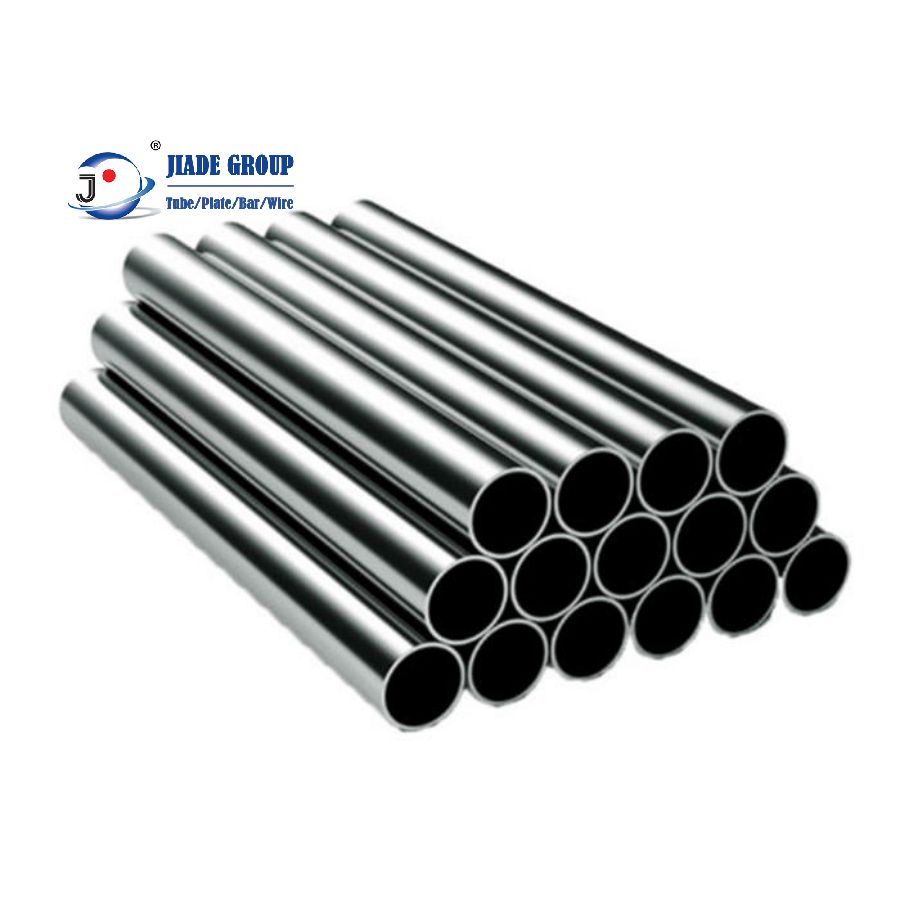
Material Grade: ASTM A572 Grades 42, 50, 55, 60, 65 (Grade 50 is commonly used, with a minimum yield strength of 50 ksi = 345 MPa); UNS K02600 (typically Grade 50);配套 seamless pipes comply with ASTM A106/A53/A333 and are accepted in conjunction with the A572 material standard.
Key Chemical Composition (ASTM A572 standard, units: %, typical values for Grade 50)
| Elements | Carbon (C) | Manganese (Mn) | Phosphorus (P) | Sulfur (S) | Niobium (Nb) | Vanadium (V) | Copper (Cu) |
| Scope of the Standard | | | | ≤0.050 (Premium grade ≤0.030) | | | |
Key Material Advantages:
1. Niobium + Vanadium Microalloying: Forms carbonitrides, refines grain size, significantly enhances strength and toughness, and prevents the deterioration of weldability caused by solid solution strengthening;
2. Low-carbon Design (C ≤ 0.20%): Excellent weldability; compatible with TIG, MIG, and SAW welding; no complex post-weld heat treatment required;
3. Multiple strength grades available: Five grades ranging from 42 to 65 ksi, allowing for precise matching to specific operating conditions without the need for over-design;
4. Excellent low-temperature toughness: Charpy V-notch impact energy ≥27 J at -40°C, making it suitable for engineering applications in cold regions.
- Manufacturing Processes and Compliance Standards (Industrial Grade)
Core Manufacturing Processes
- Seamless Tube Process: Utilizes hot-rolled piercing followed by cold drawing/cold rolling finishing. The tubes are seamless with a wall thickness tolerance of ±5% (±3% for precision grade). The tube body exhibits no stress concentration, making it suitable for high-pressure and vibration-prone applications;
- Heat Treatment: Normalizing/normalizing + tempering, or quenching and tempering available; controlled rolling and controlled cooling (TMCP) ensure uniform microstructure and stable performance;
- Surface Treatment: Industrial acid pickling and passivation, sandblasting for rust removal, anti-corrosion coatings (epoxy/3PE), and hot-dip galvanizing to suit various corrosive environments;
- Non-destructive testing: 100% ultrasonic testing (UT), eddy current testing (ET), hydrostatic testing (≥1.5 times nominal pressure), and magnetic particle testing (MT, for surface cracks in carbon steel)
- Industrial-Grade Key Selling Points (Suitable for Harsh Operating Conditions, Cost Reduction and Efficiency Improvement)
1. High Strength and Lightweight: Gr50 has a yield strength of 345 MPa, offering approximately 50% higher strength than Q235 carbon steel; structural weight can be reduced by 20–30%, lowering transportation and installation costs;
2. Seamless and Leak-Free: No weld seams; 100% UT inspection ensures no risk of weld cracking under high-pressure or vibration conditions;
3. Excellent Weldability: Low-carbon + microalloyed composition eliminates the need for preheating before welding (except for thick plates) and post-weld heat treatment, ensuring high on-site construction efficiency;
4. Good Low Temperature Toughness: Meets impact energy standards at -40°C, suitable for cold regions and offshore platforms;
5. Full range customization + compliance assurance: Complete material test reports (MTR) and third-party testing (SGS/BV) available, meeting requirements for engineering projects and international trade exports.
- Typical Industrial Applications (Precision Matching, Customized Selection)
1. Building and Bridge Engineering
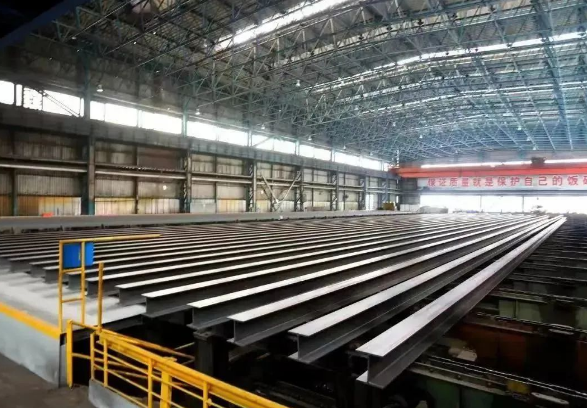
Steel beams and columns in high-rise buildings, main trusses in long-span bridges, tubular truss structures, and wind turbine towers—reducing self-weight and enhancing wind and seismic resistance.
2. Oil, Gas, and Energy
Onshore/offshore oil and gas transmission pipelines, structural tubing for drilling platforms, power plant boilers and heat exchangers, and high-pressure steam pipelines.
3. Construction Machinery and Vehicles
Hydraulic lines and structural supports for excavators, cranes, and loaders, as well as heavy-duty truck frames, to enhance equipment strength and durability.
4. Municipal and Water Resources
Urban water supply/drainage systems, pressure pipelines for wastewater treatment plants, and cross-sea/cross-river water conveyance pipelines, balancing strength and corrosion resistance.
5. Other Industrial Applications
Pressure vessels, chemical processing equipment, mine tunnel support systems, and steel-structured industrial buildings, suitable for high-pressure, vibration, low-temperature, and corrosive environments.


 Contact Now