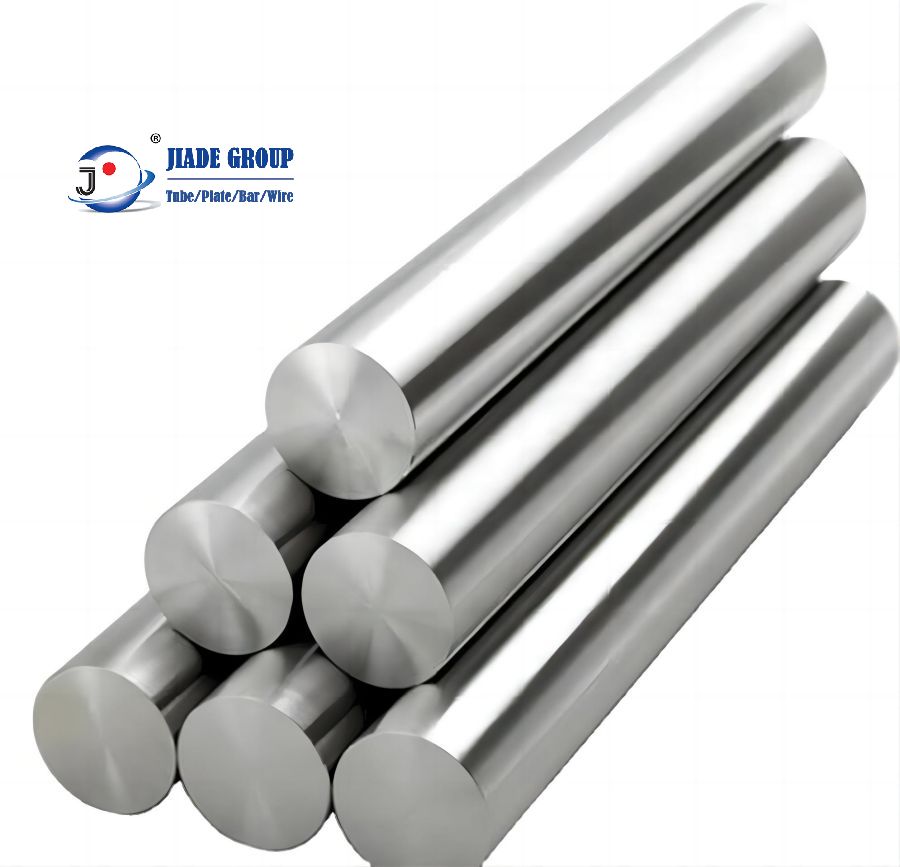
Key Advantages
1. Exceptional Corrosion Resistance—The Top Choice for Chemical Corrosion Protection
GR2 pure titanium offers the highest level of passivation film protection among pure titanium materials. It can serve reliably over the long term in seawater, salt spray, humid environments, and solutions containing acids, alkalis, and salts, as well as in organic acids and chloride media, without rusting, corroding, or deteriorating. Its corrosion resistance far exceeds that of Stainless Steel, eliminating the need for additional anti-corrosion coatings and significantly reducing long-term equipment maintenance costs. It is the ideal material to replace stainless steel in corrosive environments.
2. High Toughness and Ease of Machining, Excellent Forming Properties
Compared to titanium alloy, GR2 pure titanium offers exceptional plasticity, high toughness, and resistance to brittle fracture. It supports forming processes such as cold bending, folding, rolling, and stretching, and exhibits excellent machining, drilling, welding, and polishing properties, resulting in low material loss and high yield rates. It meets the requirements of most precision machining and forming applications without the need for complex heat treatment, effectively reducing the difficulty and cost of secondary processing for customers.
3. Pure, Safe Material Suitable for Multiple Applications
The titanium bar is non-magnetic, non-toxic, harmless, and biocompatible. The material is pure with no heavy metal leaching, meeting both stringent industrial standards and the high safety requirements of applications such as lightweight medical devices and food and environmental protection equipment. It also exhibits excellent low-temperature performance, with no brittle fracture at ultra-low temperatures of -269°C, making it highly adaptable to both high- and low-temperature operating conditions.
4. Lightweight, Stable, and High Overall Cost-Effectiveness
With a density of just 4.42 g/cm³, it is approximately 40% lighter than stainless steel, offering significant advantages in the manufacture of lightweight equipment. The material is stable, fatigue-resistant, and resistant to aging; it is unlikely to deform or fail during long-term service, with a service life several times that of ordinary steel. Its overall cost-effectiveness far exceeds that of conventional alloy materials.

Application
1. Chemical and Corrosion Protection Industry
Widely used in chemical reaction equipment, heat exchangers, corrosion-resistant piping, pump shafts, valve stems, electroplating fixtures, and acid-base treatment equipment, this material is suitable for various highly corrosive chemical environments and provides long-lasting corrosion protection as an alternative to stainless steel.
2. Marine and Water Treatment Engineering
Suitable for desalination equipment, offshore platform components, ship anti-corrosion structural parts, wastewater treatment equipment, and circulating water system components. Resistant to seawater and salt spray corrosion, it does not age or fail even after long-term immersion.
3. Precision Machinery and General Equipment
Used in automated precision shafts, equipment connectors, tooling fixtures, precision instrument structural components, and non-magnetic equipment parts. Thanks to its non-magnetic, stable, and easy-to-machine properties, it is suitable for various precision assembly applications.
4. Medical and Environmental Protection Equipment
With its non-toxic, biocompatible, and environmentally friendly properties, it can be used to manufacture lightweight medical device components, food processing equipment, environmental monitoring equipment, and new energy supporting parts, ensuring high safety and compliance standards.