Home> Industry News> Step-by-Step Guide to Cutting and Welding Grade 5 Titanium Tubes

Step-by-Step Guide to Cutting and Welding Grade 5 Titanium Tubes

2026,08,17
JIADE Group Official Logo

Step-by-Step Guide to Cutting and Welding Grade 5 Titanium Tubes

Published by Shaanxi Jiade Import And Export Co., Ltd | Readers: Industrial Engineers, Global B2B Procurement Managers, Aerospace & Petrochemical OEM Production Supervisors

Finished Seamless Grade 5 Titanium Tube Batch

1. Core Metallurgy & Machining Traits of Seamless Grade 5 Titanium Tube

Seamless Grade 5 Titanium Tube (Ti-6Al-4V, UNS R56400) belongs to JIADE Group’s flagship Titanium Material series. As α+β dual-phase alloy manufactured via integral hot extrusion, it differs greatly from Steel Tube , Stainless Steel Material and Alloy Steel Material during cutting and welding processes due to its unique physical traits. All tubing strictly complies with ASTM B338 standards and can be matched with supporting Steel Pipe Fitting for complete industrial pipeline assembly.

Before starting cutting or welding operations, engineers must master these material characteristics to avoid oxidation, tube burning and brittle weld defects:

  • High chemical activity at high temperature: Ti reacts rapidly with oxygen/nitrogen above 400°C, leading to brittle, cracked welds without full argon shielding
  • Low thermal conductivity: Heat accumulates locally during cutting; high feed speed easily causes tube wall overburning Self-generating passive oxide film: Must fully remove surface oxide layer before welding to eliminate weld porosity Uniform seamless monolithic wall: No hidden weld weak points; cutting precision directly impacts subsequent assembly with Steel Flange Excellent ductility but prone to burr formation during mechanical cutting; mandatory post-process deburring required
JIADE Titanium Alloy Extrusion & Machining Production Line

2. Mandatory Safety Precautions & Protective Gear

2.1 Full Personal Protective Equipment (PPE)

  • Auto-darkening welding helmet (shade #12–#14) to block UV/IR titanium welding arc radiation
  • Flame-retardant leather welding gloves, long sleeve non-cotton workwear (no synthetic fiber clothing) Impact-resistant safety cutting goggles + dust respirator for dry cutting titanium powder Anti-slip heat-resistant safety boots, flame-resistant apron for welding operation area

2.2 Standard Workspace Requirements

  1. Isolate cutting/welding station from carbon steel and Alloy Steel Material processing zones to avoid iron contamination
  2. Equip full local exhaust ventilation system to discharge toxic titanium metal dust and welding fumes Remove all flammable materials within 5 meters of welding bench; place dry powder fire extinguisher nearby Lay clean Stainless Steel or titanium worktable; prohibit carbon steel table contact with bare Ti tube surfaces Reserve dedicated storage rack for finished cut titanium segments, separated from Steel Tube stock

3. Essential Tools & Equipment for Cutting & Welding Grade 5 Titanium Tube

3.1 Tube Cutting Tools

  • CNC band saw with carbide-tipped titanium dedicated blades (low feed speed design)
  • Precision tube lathe for thin-wall seamless grade 5 tubing cutting Dry abrasive cutoff wheels (titanium exclusive, no iron-containing abrasives) Digital calipers, steel straight ruler, permanent non-carbon marking pen Alcohol wipes, lint-free cleaning cloths, Stainless Steel Wire brushes

3.2 TIG Welding Specialized Equipment

  • AC/DC TIG welding machine with precise amperage heat adjustment
  • High-purity 99.99% argon cylinder + internal/external purge shielding fixtures Pure tungsten welding electrodes (2% ceriated tungsten recommended) Titanium matching filler wire (Ti-6Al-4V filler rod for homogeneous welds) Stainless steel purge plugs, argon flow regulators, leak testing spray

3.3 Post-Processing Tools

    Carbide deburring reamers, fine grain polishing abrasive belts, neutral pickling solution Ultrasonic cleaning tank for post-weld oxide removal
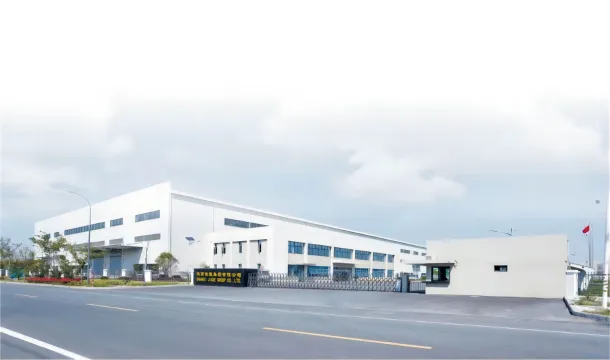
JIADE Group Full-Scale Manufacturing Factory Panorama

4. Step 1: Measuring, Marking & Pre-Tube Surface Preparation

  1. Length Measurement: Use digital calipers and steel ruler to confirm design cut length; reserve 3–8mm machining allowance for deburring and chamfering
  2. Non-Contaminated Marking: Only use permanent titanium marker pen; avoid carbon steel scribers that scratch and embed iron impurities into tube surface
  3. Full Surface Pre-Cleaning: Wipe inner and outer tube walls with anhydrous alcohol + lint-free cloth to remove grease, oil, dust and oxidation film; residual organics cause welding porosity
  4. Drying Treatment: Air-dry completely before cutting; no water residue left on tube surface to prevent high-temperature hydrogen embrittlement during processing

JIADE Group provides pre-cut, pre-deburred finished seamless grade 5 titanium tube for OEM clients to save factory machining labor, compatible with all standard Steel Flange and Steel Pipe Fitting sizes.

5. Step 2: Standard Cutting Techniques for Seamless Grade 5 Titanium Tube

5.1 CNC Band Saw Cutting (Recommended for Mass Production)

  1. Install dedicated carbide titanium saw blade; set low cutting feed rate and moderate rotational speed
  2. Apply light coolant without sulfur additives to reduce heat accumulation on tube wall Secure tube firmly with non-carbon soft clamping fixtures to avoid surface scratches Stop cutting before full penetration to prevent sudden tube breakage and burr overflow

5.2 Lathe Precision Cutting (Thin-Wall Medical/Aerospace Tubing)

For OD 3–10mm ultra-thin seamless grade 5 titanium tube used in medical and drone equipment, CNC lathe cutting delivers ±0.02mm dimensional tolerance. Use sharp carbide turning tools with low cutting depth per pass to avoid tube wall deformation.

5.3 Dry Abrasive Cutting (Small Batch Emergency Use Only)

Restrict to thick-wall tubing only; operate with short cutting duration to prevent overburning titanium surface. Not allowed for aerospace and medical grade titanium material per ASTM B338 regulations.

6. Step 3: Deburring, Chamfering & Post-Cut Edge Treatment

  1. Inner & Outer Deburring: Use carbide reamer to remove sharp burrs on tube cut ends; residual burrs scratch sealing surfaces during Steel Pipe Fitting assembly and cause fluid leakage
  2. Standard Chamfering: Process 30°–45° chamfer on both inner and outer tube edges to optimize welding joint fit-up
  3. Secondary Alcohol Cleaning: Wipe cut section to clear titanium metal powder generated during cutting
  4. Visual Inspection: Check tube wall for burning, deformation and scratch defects before transferring to welding station

7. Step 4: Critical Pre-Welding Tube Joint Preparation Steps

  1. Joint Gap Control: Align two seamless tube ends with gap ≤0.1mm; excessive gap leads weld sagging and penetration defects
  2. Oxide Layer Removal: Scrub joint surface with stainless steel wire brush (no carbon steel brushes) then alcohol wipe; TiO2 oxide film causes weld brittleness
  3. Full Internal Argon Purge Setup: Install sealing purge plugs on both tube ends to fill inner bore with high-purity argon; internal oxidation is the top hidden welding failure cause
  4. Fixture Isolation: Clamp tubes with titanium or stainless steel fixtures; direct carbon steel contact triggers galvanic contamination
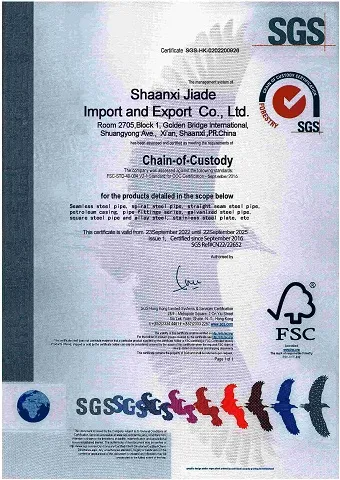
JIADE Group SGS Material Test Certificate

8. Step 5: Full TIG Welding Process for Seamless Grade 5 Titanium Tube

  1. Pre-Purge Argon: Turn on internal and external argon shielding gas, purge for minimum 15 seconds to fully exhaust air inside tube bore
  2. Adjust Welding Parameters: Match amperage to tube wall thickness; thin-wall tube 30–60A, thick-wall tube 70–120A, low travel speed
  3. Root Pass Welding: Complete full penetration root bead first with Ti-6Al-4V matching filler wire
  4. Fill & Cap Pass: Two-layer filling and capping weld to ensure uniform weld reinforcement without undercut
  5. Post-Weld Argon Hold: Keep argon shielding running for 60–90 seconds after arc shutdown; hot weld metal cannot contact air until cooled below 400°C

9. Heat Input & Argon Shielding Critical Control Tips

9.1 Limit Excessive Heat Input

  • Short continuous welding segments, add intermittent cooling pauses for thick-wall tubing
  • Avoid prolonged arc dwelling at single point to prevent grain coarsening and weld brittleness
  • Do not stack multi-pass weld layers without interval cooling

9.2 Argon Shielding Standard Parameters

  • External torch argon flow rate: 12–18 L/min
  • Internal tube purge argon flow rate: 8–12 L/min
  • Argon purity requirement ≥99.99% (low-purity gas creates blue brittle welds)

10. Post-Weld Inspection & Quality Acceptance Criteria

  1. Visual Appearance Check: Qualified weld surface silver-light metallic color; blue/grey/black discoloration means insufficient argon shielding (reject rework required)
  2. Penetration Inspection: Cross-section sampling to verify full root penetration without incomplete fusion gaps
  3. NDT Non-Destructive Testing: Aerospace/military grade tubing requires 100% X-ray flaw detection for internal pores and microcracks
  4. Hydrostatic Pressure Test: Assemble with Steel Pipe Fitting to carry out pressure leakage test matching working design pressure
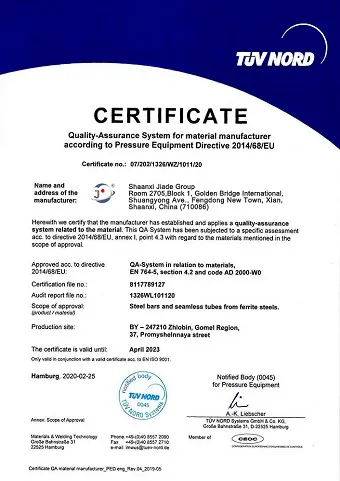
JIADE Group TUV PED Pressure Equipment Certificate

11. Typical Cutting & Welding Errors & Corrective Fixes

Defect Phenomenon Root Cause Prevention & Solution
Tube wall burning during cutting High blade speed, insufficient coolant Reduce feed speed, add sulfur-free coolant
Large burrs on cut edges Dull cutting tool, excessive cutting depth Replace carbide blade, multi-pass shallow cutting
Black oxidized weld surface Insufficient internal argon purge Extend pre-purge time, increase inner gas flow
Weld internal pores Oil/organic residue on joint surface Full alcohol pre-weld cleaning
Weld cold cracking Excessive heat input, contaminated filler wire Control welding amperage, use pure Ti filler rod

12. Maintenance of Cutting & Welding Tools

  • Cutting Tools: Clean carbide blades of titanium powder after daily use; store in dry sealed box to avoid rust; regrind dull cutting edges timely
  • TIG Welding Machine: Weekly clean torch nozzle and wire feeder to block titanium dust accumulation; inspect argon pipeline for air leakage monthly
  • Measuring Instruments: Calibrate digital calipers monthly to guarantee cutting dimensional accuracy
  • Argon Equipment: Regularly check cylinder pressure gauges, replace aging gas delivery hoses every 6 months

13. Latest Global Titanium Machining Industry Technical Trends

In 2026, global manufacturers of Titanium Material are widely promoting automated integrated cutting-welding production lines for seamless grade 5 titanium tube. Intelligent CNC cutting equipment with real-time temperature sensing systems automatically adjust feed speed to eliminate tube wall burning defects, reducing scrap rate by over 40%. Closed-loop full argon shielding robotic TIG welding stations replace manual operation in aerospace OEM workshops, achieving consistent silver-color welds with zero oxidation defects. New low-temperature plasma cutting technology specially optimized for Ti-6Al-4V reduces heat-affected zone width by 60%, solving thin-wall tube deformation issues. Meanwhile, international standard organizations update ASTM B338 supplementary machining clauses, tightening pre-weld cleaning and argon purity audit requirements for pressure-bearing titanium pipelines. Many medium and small metal processing factories shift from manual workshop production to outsourced pre-machined titanium tube procurement from full-chain manufacturers like JIADE Group, cutting internal cutting and welding labor costs and lowering defect rejection rates of finished pipeline assemblies.

14. 5 Key Sourcing Priorities for European & American Industrial Buyers

Global procurement managers of aerospace, petrochemical and medical manufacturers focus on five critical indicators when sourcing seamless grade 5 titanium tube for internal cutting and welding processing, alongside matching Alloy Steel Material, Steel Flange and Steel Pipe Fitting accessories. First, material purity compliance: Require full alloy spectrum test reports to guarantee Ti-6Al-4V standard composition, as impurity elements cause welding cold cracking during client secondary machining. Second, tube wall uniformity: Uneven seamless wall thickness leads inconsistent heat input during welding and incomplete penetration defects, buyers demand 100% ultrasonic NDT before shipment. Third, factory pre-machining capacity: Prefer suppliers offering OEM cutting, deburring and chamfer finished tubing to reduce internal workshop processing steps. Fourth complete certification package: TUV PED, ISO9001 and SGS certificates are mandatory for pressure-bearing titanium tube used in welded pipeline systems. Fifth consistent surface finish: Unprocessed rough oxide layers increase pre-weld cleaning labor hours, buyers prioritize factory pickled/polished seamless titanium tube batches to streamline their welding workflow.

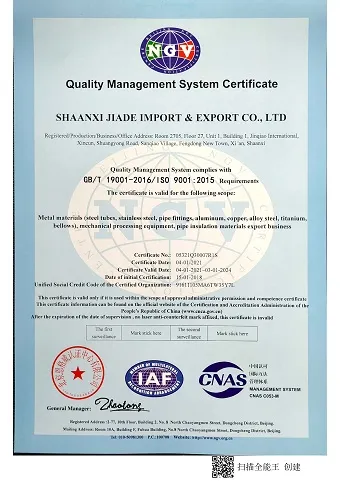
JIADE Group ISO9001 Quality Certificate

15. New R&D Innovations in Titanium Cutting & Welding Technology

JIADE Group’s internal R&D team of 32 senior metallurgical engineers allocates 8% of annual sales revenue to titanium alloy machining technology research, holding independent patents on low-heat CNC cutting and full-purge robotic welding processes. Our self-developed synchronous cold cutting technology minimizes heat-affected zones for OD3mm ultra-thin seamless grade 5 titanium tube, a product difficult to process via traditional cutting equipment. The group’s lab optimized dedicated TIG filler wire formula for Ti-6Al-4V, improving weld ductility by 25% and reducing post-weld crack risk for marine pipeline projects. New nano surface passivation treatment for pre-weld tubing removes thick oxide films without acid pickling, shortening client pre-weld preparation time by half. Military cooperative R&D combines seamless titanium tube with Special Steel Material welded assemblies, optimizing dissimilar metal transition joint processing techniques to avoid galvanic corrosion at welding connections. Current R&D projects focus on all-in-one laser cutting + automatic argon shielding welding integrated equipment for factory prefabricated titanium pipeline modules.

16. Long-Term Global Titanium Material Industry Development Trends

  1. Pre-Machined Tube Demand Surges: Global OEM factories increasingly outsource cutting and deburring processing to professional titanium tube manufacturers to lower internal workshop defect rates.
  2. Robotic Welding Replaces Manual Operations: Aerospace and medical industrial standards gradually mandate automated TIG welding for all pressure-bearing seamless grade 5 titanium tube assemblies.
  3. Supply Chain Shifts to Full-Service Manufacturers: EU/US buyers abandon small raw material traders, preferring one-stop suppliers providing Titanium Material, Alloy Steel Material and pre-processed finished tubing.
  4. Low-Carbon Machining Mandatory Audit: Carbon emission standards for cutting/welding workshops are added to supplier qualification reviews in European industrial procurement.
  5. Ultra-Thin Precision Tubing Niche Expansion: Miniature medical and UAV equipment drives rising demand for machinable micro seamless grade 5 titanium tube.

17 Operation & Maintenance of Cut & Welded Titanium Pipelines

17.1 Operation Restrictions Post-Welding

  1. Complete 24-hour natural cooling after full welding before applying full working pressure
  2. Limit instantaneous temperature fluctuation within ±80°C to avoid weld thermal stress cracking
  3. Max continuous operating pressure capped at 80% of hydrostatic test pressure

17.2 Routine Maintenance Schedule

  • Quarterly visual inspection of weld surface for discoloration and pitting corrosion
  • Semi-annual full pipeline hydrostatic leakage test at all welded joints
  • Annual ultrasonic NDT inspection of high-pressure weld seams for hidden microcracks

18. Global Standards for Cutting & Welding Grade 5 Titanium Tube

    • ASTM B338: Core US standard regulating seamless Ti-6Al-4V tube machining tolerance, pre-weld surface cleaning and welding quality acceptance rules
2014/68/EU TUV PED
    : EU pressure equipment directive; all welded titanium pressure pipelines require certified cutting/welding process records
  • ISO 15792: International TIG welding test standard for titanium alloy welded joints
  • EN 10204: Material certificate standard; JIADE supplies full 3.2 batch machining test reports for all Titanium Material
  • FDA Medical Material Standard: Specialized machining and welding limits for human implant titanium tubing

19. JIADE Group Factory Scale & Machining R&D Advantages

19.1 Modern Production Hardware

Founded in 2005, JIADE Group owns a 200,000㎡ integrated metal manufacturing factory with independent dedicated titanium CNC cutting and robotic TIG welding workshops separated from carbon steel and Alloy Steel Material production zones. Equipped with full-automatic band saws, precision lathes and closed-loop argon shielding welding lines, our factory provides OEM cutting, deburring, chamfering and pre-weld surface treatment for seamless grade 5 titanium tube, delivering semi-finished machined tubing to cut client internal workshop processing workload by over 60%. We hold annual total metal output capacity of 600,000 tons, covering Steel Tube, Steel Flange, Titanium Material and full supporting pipeline accessories.

19.2 Independent Machining R&D & Certifications

Our professional metallurgy R&D team develops exclusive titanium cutting and welding process schemes for aerospace, marine and medical clients, with 11 national patents on Ti alloy precision machining. All seamless grade 5 titanium tube products pass ISO9001, TUV PED, SGS and FDA third-party certification, with complete machining and welding test records provided for overseas factory audits. With 20 years cross-border metal export experience, we serve thousands of global industrial OEM manufacturers with customized pre-machined titanium tubing solutions.

20. Frequently Asked Questions About Cutting & Welding Grade 5 Titanium Tube

Q1: Can carbon steel cutting blades be used to cut seamless grade 5 titanium tube?

A1: No. Carbon steel blades leave iron contamination embedded on tube surface, which causes severe weld brittleness during subsequent TIG welding. Only dedicated carbide titanium cutting tools are allowed per ASTM B338 rules.

Q2: Why do titanium welds turn black even with external argon shielding?

A2: The root cause is insufficient internal tube argon purge; air inside the bore contacts hot weld metal and forms thick titanium oxide layers. Extend pre-purge time and raise inner gas flow rate to resolve.

Q3: Does JIADE Group provide pre-cut, pre-deburred seamless grade 5 titanium tube?

A3: Yes. Our CNC machining workshop offers full OEM secondary processing including fixed-length cutting, inner/outer deburring, chamfering and surface pickling for all Titanium Material products, ready for direct client welding operation.

Q4: Is MIG welding suitable for seamless grade 5 titanium tube pressure pipelines?

A4: Not recommended for high-pressure aerospace, medical and petrochemical tubing. TIG welding delivers precise heat control and full argon shielding, while MIG creates excessive heat input and oxidation defects easily.

Q5: What argon purity standard is mandatory for titanium welding?

A5: Minimum 99.99% high-purity argon; low-purity gas containing oxygen/nitrogen generates brittle blue welds that fail pressure fatigue testing.

21. Technical Reference Resources

  1. Wilson, M. (2024). ASTM B338 Machining & Welding Specifications for Ti-6Al-4V Tubing. Wikipedia Engineering Metallurgy Library.
  2. Smith, J. (2025). TIG Welding Purge Technology for Seamless Titanium Pipe. Reddit Aerospace Manufacturing Forum.
  3. Davis, R. (2026). Common Titanium Cutting Defects & Remedial Machining Steps. Quora Industrial Machining Community.
  4. Thompson, L. (2025). Total Cost Analysis of In-House vs Outsourced Titanium Tube Machining. International Metal Processing Journal.

22. Conclusion: Optimize Titanium Machining With JIADE Group Support

Standardized cutting and TIG welding procedures are critical to eliminate oxidation, cracking and leakage failures of seamless grade 5 titanium tube industrial pipeline systems. Strict safety operation, full argon shielding and precise heat control are the three core principles for qualified Ti-6Al-4V welded joints. As a full-chain manufacturer supplying Titanium Material, Alloy Steel Material, Steel Tube and matching Steel Flange & Steel Pipe Fitting, JIADE Group provides raw seamless titanium tube and one-stop OEM pre-cutting, deburring and surface processing services to simplify your factory production workflow, reduce machining scrap rates and cut labor costs.

Our professional technical team offers free titanium cutting and welding process consultation for aerospace, petrochemical, marine and medical OEM project engineers. Contact us to receive technical data sheets and bulk procurement quotations for seamless grade 5 titanium tube.

JIADE Group Global Sales Manager (Richard Duan)

WhatsApp: +8618681881688

Official Business Email: info@jiade-group.com

Office Address: No.602, Building 4, Poly Business Center, Lecong Town, Shunde District, Foshan, Guangdong, China

Official Social Media Channels

Facebook: https://www.facebook.com/people/Shaaxi-JiaDe-Steel/61576891299862/

LinkedIn: https://cn.linkedin.com/in/duanqingsan

YouTube: https://www.youtube.com/@richardduan2289

Contact Us

Author:

Mr. Richard

Phone/WhatsApp:

+86 18681881688

Popular Products
You may also like
Related Information
Alloy Steel Pipe: The Resilient Workhorse of Industry and Infrastructure

Unearthing the Unmatched Performance of Alloy Steel Pipes in Diverse Sectors In the realm of industrial materials, alloy steel pipes have carved out a niche for their exceptional performance and...

Exploring the Unmatched Performance of Nconel in High-Temperature and Corrosive Environments

Nconel Material: The Alloy of Choice for Extreme Durability and Thermal Stability Nconel material, a family of nickel-based superalloys, has become synonymous with extreme durability and thermal...

Maximizing Efficiency and Reliability with Stainless Steel Flanges in Critical Applications

Stainless Steel Flange: The Corrosion-Resistant Connector for Industrial Piping Systems The Maritime and Offshore Industry's Preferred Choice In the maritime and offshore industries, where saltwater...

Related Categories

Email to this supplier

Subject:
Email:
Message:

Your message must be between 20-8000 characters

We will contact you immediately

Fill in more information so that we can get in touch with you faster

Privacy statement: Your privacy is very important to Us. Our company promises not to disclose your personal information to any external company with out your explicit permission.


Send