

Mastering Aluminium Alloy Welding: Essential Tools and Techniques Explained
1. Introduction to Aluminium Alloy Welding
Aluminium alloy welding has become an indispensable manufacturing process for lightweight structural components across military, petroleum, new energy, marine and aerospace industries. Compared with steel welding, aluminium welding faces unique technical barriers: high thermal conductivity, easy oxidation, high hot cracking tendency and high porosity risk. Selecting qualified Aluminium Alloy Welding Wire and mastering standardized welding processes directly determine the yield and service life of welded joints. As a leading manufacturer, JIADE Group provides full-set High Strength Aluminium Alloy Welding Wire Solutions for global OEM & ODM manufacturers, distributors and large industrial factories.

2. Understanding Aluminium Alloys: Types and Properties
Aluminium base materials are classified into wrought series and cast series, which directly decide the selection of welding filler metal:
- 5-series Al-Mg alloys (5052, 5083, 5754): High corrosion resistance, widely used in marine equipment and energy storage enclosures; matched with ER5356 and ER5183 Aluminium Alloy Welding Wire.
- 2-series Al-Cu hard alloys (2A12, 2A14): High tensile strength for aerospace tooling; requires ER2319 high-strength welding wire.
- 7-series Al-Zn-Mg-Cu ultra-high-strength alloys (7075, 7050): Military and aviation structural parts, only compatible with special ultra-high-strength welding consumables.
- Cast aluminium (ZL101A, ZL114A): Used for casting repair and additive manufacturing; cast aluminium dedicated welding wire is required.
When you choose filler metals, you can also refer to other metal materials from JIADE Group, such as Alloy Steel Material and Special Steel Material for multi-material welding projects.
3. Latest Industry Technology Updates for Aluminium Welding
Aluminium welding technology is rapidly evolving toward low-heat-input, automated and defect-free production (400–700 characters). In 2025–2026, laser-arc hybrid welding and handheld laser welding have become mainstream upgrades for aluminium component production, greatly reducing hot cracking and thin-plate burn-through issues. Meanwhile, arc additive manufacturing (3D printing) with aluminium welding wire has expanded rapidly in military spare parts and aviation component repair, putting forward stricter requirements for wire purity, dimensional consistency and low impurity content. Closed-loop digital monitoring systems are widely adopted on automated welding lines to stabilize arc parameters and cut rework rates. The whole industry is shifting from ordinary aluminium welding wire to high-strength, low-cracking grades, pushing manufacturers to upgrade alloy formula and surface cleaning technology. At JIADE Group, we keep upgrading our wire production lines to match the new generation of automated welding and 3D printing demands.
4. 5 Core Procurement Concerns for European & American B2B Buyers
Procurement managers from chemical, military, petroleum and heavy manufacturing factories focus on five key indicators when purchasing Aluminium Alloy Welding Wire (400–700 characters):
- International Standard Compliance & Complete Certifications: Products must meet AWS A5.10, GB/T 10858 and ISO 18273, with ISO9001, SGS and TUV test reports available for customs clearance and engineering acceptance.
- Batch-to-Batch Stability: Chemical composition and mechanical performance must remain consistent across bulk batches to avoid mass production scrapping on robotic welding lines.
- Automated Welding Adaptability: Strict diameter tolerance, smooth wire feeding without jamming, which is critical for continuous robotic MIG welding.
- Weld Quality & Defect Control: Low hot cracking, low porosity, stable anodizing color difference after welding for exterior structural parts.
- Flexible Customization & Export Service: Support custom wire diameters, alloy formulations, spool/straight bar packaging and OEM private labels, plus full MTR material test documents for global export shipments.
JIADE Group fully satisfies all these procurement requirements with standardized production and full export document support. Besides aluminium welding wire, we also supply Titanium Material, Steel Pipe Fitting and other industrial metal products for one-stop bulk procurement.
5. Essential Safety Gear for Welding Aluminium
Aluminium welding produces strong ultraviolet radiation and aluminium oxide fumes. All welders must equip the following protective equipment:
- Auto-darkening welding helmet with UV/IR protection
- Heat-resistant leather welding gloves and flame-retardant overalls
- Industrial dust respirator to filter aluminium oxide smoke
- Insulated welding boots and anti-spatter welding curtains
6. Choosing the Right Welding Machine
- TIG Welding (GTAW): Choose DC argon arc welding machines for high-precision aluminium repair welding; match straight bar welding wire.
- MIG Welding (GMAW): Select inverter-type pulse MIG welders for mass production; use spooled Aluminium Alloy Welding Wire with wire feeders to guarantee stable feeding.
- Automated Robotic Welding: Configure digital synergic MIG systems with closed-loop wire feed control, perfectly matched with JIADE Group’s high-precision spooled welding wire.
7. Preparing Aluminium Surfaces for Welding
Over 70% of aluminium weld porosity and cracking comes from poor surface preparation. Follow these strict steps:
- Remove oil, grease and paint with acetone or alcohol cleaner.
- Grind off the dense aluminium oxide film with Stainless Steel Wire brush or sandpaper (never use carbon steel abrasives to avoid iron contamination).
- Complete welding within 2 hours after surface cleaning to prevent re-oxidation.
- Control workpiece moisture; dry damp aluminium parts before welding.
8. Selecting the Appropriate Filler Material (Core Product: High Strength Aluminium Alloy Welding Wire Solutions)
Choosing the right Aluminium Alloy Welding Wire directly determines joint strength and defect rate. JIADE Group’s High Strength Aluminium Alloy Welding Wire Solutions cover all mainstream aluminium base metals for military, petroleum, new energy and marine projects:
Core Advantages of Our High Strength Aluminium Alloy Welding Wire
- High mechanical properties for heavy-duty structures: Precisely control magnesium, silicon, copper and zirconium elements to refine grain structure. Welds achieve high tensile strength and excellent fatigue resistance; some grades support heat treatment hardening to further upgrade joint strength for load-bearing structural welding.
- Low cracking propensity & defect-free dense welds: Optimized solidification range greatly reduces hot cracking sensitivity. Precision surface cleaning eliminates oil and oxide scale; arc runs smoothly with low spatter and low porosity, cutting NDT inspection and rework costs significantly.
- Smooth wire feeding for automated welding: Strict wire diameter tolerance, uniform roundness and soft-drawing surface ensure zero jamming during robotic continuous welding, keeping high consistency in mass production.
- Stable corrosion resistance for complex working conditions: Al-Mg grades deliver excellent seawater and atmospheric corrosion resistance, suitable for offshore, cold-chain and outdoor equipment. Welded joints support anodizing with controllable color difference, balancing structural strength and appearance quality.
- Full grade lineup for one-stop matching: General high-strength, ultra-high-strength, cast-aluminium repair and additive manufacturing grades are all in stock, eliminating repeated wire testing work.
- Flexible delivery & customized solutions: Standard spooled and straight bar wires are kept in stock. We accept custom alloy compositions, special diameters, packaging sizes and OEM labeling, plus full welding procedure specifications as a complete welding material package.
Main Application Scenarios
- New energy: Aluminium battery frames, water-cooled plates, energy storage boxes and new energy vehicle chassis
- Rail transit: High-speed rail car bodies, load-bearing aluminium profile structures
- Marine & offshore: Seawater-resistant aluminium structural components, decks and gangways
- Aviation & military tooling: High-strength aluminium fixture welding and component repair
- Automotive lightweighting: Chassis, crash beams and wheel hub welding
- Arc additive manufacturing: 3D printing of high-strength aluminium parts and casting defect repair
9. Mastering TIG Welding for Aluminium Alloys
- Use pure argon shielding gas (99.99% purity) to prevent oxidation.
- Adopt AC alternating current with high-frequency oscillation to break the aluminium oxide film.
- Control heat input strictly to avoid overheating and grain coarsening on 2-series and 7-series high-strength aluminium.
- Fill the weld pool with straight bar Aluminium Alloy Welding Wire slowly to keep consistent fusion.
10. MIG Welding Techniques for Aluminium Alloys
- Use pulse MIG mode to stabilize the molten pool and reduce spatter for thin aluminium sheets.
- Set up the wire feeder with constant tension to guarantee smooth feeding of spooled welding wire.
- Maintain a push gun angle instead of pulling the torch to reduce oxide inclusion.
- Control travel speed evenly to avoid incomplete fusion and cold laps.
11. Common Challenges in Aluminium Alloy Welding & Tips for Avoiding Weld Defects
Main Defects & Solutions
- Hot Cracking: Use low-cracking high-strength Aluminium Alloy Welding Wire from JIADE Group; reduce heat input and slow down cooling speed.
- Porosity: Strictly clean base metal surface; use high-purity argon; dry welding wire to remove moisture.
- Poor Wire Feeding: Choose our precision-drawn welding wire with uniform roundness; regularly maintain wire feed rollers and torch liners.
- Uneven Anodizing Color: Select wire with matched alloy composition to keep weld metal consistent with base material after surface treatment.
12. Post-Weld Treatments and Finishing Touches
- Remove surface oxide and spatter with wire brushing after the weld cools down naturally.
- Carry out non-destructive testing (X-ray or ultrasonic inspection) for military and pressure-bearing structural welds.
- Perform stress-relief heat treatment for high-strength aluminium welded joints to improve fatigue performance.
- Polish and anodize welded parts to achieve uniform surface color for exterior components.
13. Industry Standard Popularization for Aluminium Welding Consumables
Global industrial buyers require welding wire to meet unified international standards for engineering acceptance and cross-border trade. The core standards for Aluminium Alloy Welding Wire include:
- AWS A5.10/A5.10M (American Welding Society): The most widely adopted standard for North American military and petroleum projects.
- ISO 18273:2015: International classification standard for aluminium welding filler metals.
- GB/T 10858-2023: Chinese national standard, modified from ISO 18273, widely used for Asia-Pacific export orders.
- ISO 15614-2:2025: Welding procedure qualification standard for aluminium arc welding projects.
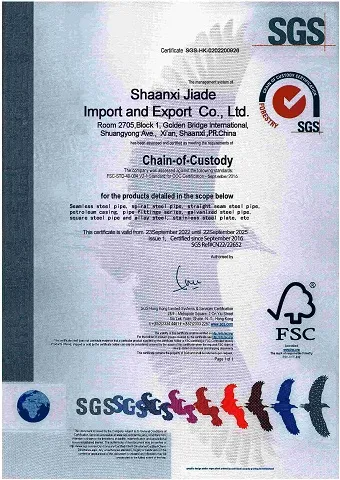
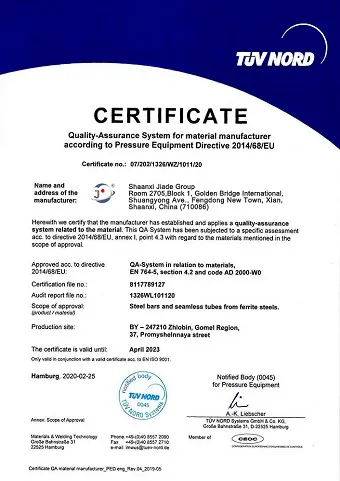
All JIADE Group welding wire products strictly follow the above standards and come with full SGS, TUV and ISO9001 certification documents, fully meeting the quality requirements of military, petroleum and chemical industrial projects.
14. Product Usage & Maintenance Knowledge for Aluminium Alloy Welding Wire
Correct Usage Methods
- Select wire grade strictly according to base metal alloy series; never use low-strength wire for 2-series and 7-series high-strength aluminium load-bearing structures.
- Match wire diameter with plate thickness: 0.8–1.2mm for thin sheets below 3mm; 1.6–3.2mm for thick structural plates.
- Store welding wire in sealed dry packaging to prevent moisture and oxidation before use.
Daily Maintenance & Storage Rules
- Keep spooled and straight bar welding wire in a dry, constant-temperature warehouse with humidity below 60%.
- Seal unused wire tightly after opening the package; avoid long-term exposure to humid air.
- Do not bend or scratch the wire surface heavily to prevent feeding blockage during automated welding.
- Inspect wire surface for oil, oxide and dirt before production; contaminated wire must be cleaned or replaced.
15. R&D & New Application Developments of High Strength Aluminium Alloy Welding Wire (600 characters)
JIADE Group keeps investing in new formula R&D for high-strength aluminium welding wire to cater to the booming lightweight manufacturing trend. Our R&D team has optimized magnesium-zirconium grain refinement technology, successfully developing low-cracking ER5183 and ER2319 welding wire grades specially optimized for robotic MIG welding and arc additive manufacturing. The newly developed 7-series ultra-high-strength welding wire effectively solves the long-standing hot cracking problem when welding AA7075 aluminium alloy for military equipment. We have completed industrial testing for welding wire applied in EV battery tray 3D printing and offshore aluminium structure repair. New low-impurity formula greatly reduces hydrogen-induced porosity; the batch consistency of chemical composition is controlled within ±0.02%. We keep cooperating with welding technology research institutions to launch customized filler metals for dissimilar aluminium-titanium composite welding, supporting more complex lightweight component manufacturing demands. Our R&D achievements also support the matching development of Copper Material and titanium welding consumables for multi-alloy composite welding projects.
16. Industry Trend Analysis for Aluminium Welding Consumables
Three major trends dominate the global aluminium welding consumable market in 2026:
- Continuous shift toward high-strength & low-defect grades: Military, new energy and aerospace industries are phasing out ordinary aluminium welding wire, demanding high-toughness, anti-cracking filler metals that match high-strength wrought aluminium and cast aluminium alloys.
- Full adaption to automated & robotic production: More than 70% of large manufacturing factories adopt robotic welding lines; wire suppliers must strictly control dimensional tolerance, surface smoothness and feeding stability to reduce production downtime.
- Customized small-batch + large-batch bulk coexistence: OEM manufacturers need small-batch trial samples for new product development, while large military and petroleum manufacturers place bulk long-term orders. Flexible production and OEM private label capability become core competitive advantages for welding wire suppliers.
JIADE Group has adjusted our production layout to cover both small sample orders and bulk mass production, perfectly matching the new market trend.
17. JIADE Group Factory Strength & R&D Innovation Results
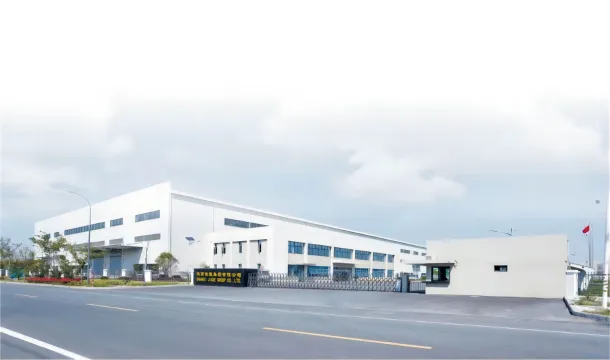
Shaanxi Jiade Import And Export Co., Ltd (JIADE Group) was founded in 2005, with a modern factory covering 200,000 square meters, more than 400 employees and fixed assets of 120 million USD, with an annual output capacity up to 600,000 tons. We own advanced continuous wire drawing production lines, online chemical composition analysis equipment and professional material testing laboratories, which ensure stable quality for every batch of Aluminium Alloy Welding Wire.
Our professional R&D team consists of senior material engineers with more than 15 years of aluminium alloy welding material research experience. We keep annual R&D investment in material formula upgrading and production technology optimization, and have obtained multiple patents for low-cracking high-strength aluminium welding wire production processes. We can independently develop customized alloy formulations according to client engineering requirements, provide pre-production test samples and full technical support. Besides aluminium welding wire, we produce a full range of industrial metal products including Alloy Steel Material, Special Steel Material, Titanium Material, steel tubes and flanges, realizing one-stop bulk procurement for global industrial buyers.
18. Frequently Asked Questions (FAQ)
Q1: What welding wire do you use to weld 5083 marine aluminium alloy?
A: We recommend ER5183 high-strength corrosion-resistant Aluminium Alloy Welding Wire from our High Strength Aluminium Alloy Welding Wire Solutions series, which delivers excellent seawater corrosion resistance and low hot cracking performance for offshore structural components.
Q2: Can JIADE Group provide custom alloy composition and OEM private label packaging?
A: Yes. We support custom chemical formulations, special wire diameters, spooled/straight bar specifications and neutral export OEM packaging. We also provide complete MTR test reports, SGS and TUV certification documents for customs clearance.
Q3: Is your welding wire suitable for robotic automated MIG welding?
A: Absolutely. Our wire adopts strict diameter tolerance control and soft surface drawing technology, with zero kinks and smooth continuous feeding, perfectly matched with robotic welding production lines without gun jamming.
Q4: What international standards do your aluminium welding wires comply with?
A: Our products strictly meet AWS A5.10, ISO 18273 and GB/T 10858 standards, with ISO9001, SGS and TUV quality certifications to satisfy military, petroleum and chemical industry project acceptance requirements.
19. Conclusion: Becoming a Skilled Aluminium Welder with Reliable Filler Metals
Mastering aluminium alloy welding requires systematic control of equipment, surface pretreatment, welding parameters and most importantly, selecting qualified Aluminium Alloy Welding Wire. JIADE Group’s High Strength Aluminium Alloy Welding Wire Solutions solve the core pain points of hot cracking, porosity and unstable feeding, providing reliable welding consumables for military, petroleum, new energy, marine and aerospace manufacturing projects worldwide. We support free sample testing, small-batch trial orders and bulk long-term supply, with professional engineers offering one-on-one welding process guidance. If you are a procurement manager looking for stable high-strength aluminium welding wire and integrated metal material supply, contact us to get full technical data and quotation. Our social media channels (Facebook, YouTube, LinkedIn) release regular product technical updates and factory production videos for your reference.
Reference Materials
1. Chotaliya, M. R., Patel, H. M., Pankhaniya, M. M., & Lakum, P. M. (2025, December 23). The New Era of Fusion and Solid-State Joining: A Review of Latest Welding Techniques and Applications. JournalsPub. Retrieved from journalspub.com
2. The Fabricator Editorial Team. (2026, May 21). New tech in aluminum welding. The Fabricator. Retrieved from thefabricator.com
3. AWS Welding Journal. (2026, October). Effect of Inhomogeneous Nugget on Weld Performance in Resistance Spot Welding of HPDC AlSi7MnMg. American Welding Society
4. ISO. (2025). ISO 15614-2:2025, Specification and qualification of welding procedures for metallic materials — Arc welding of aluminium and its alloys. International Organization for Standardization
5. Reddit Industrial Welding Forum. (2026, March 12). Procurement tips for aluminium welding wire for military-grade projects. Reddit r/Welding.





